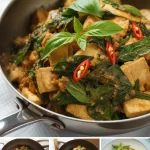
I share the lesser-known ingredient that sets Homemade Green Curry Paste apart.

Ive been messing around with Thai curry pastes and cant stop thinking about the differences between Massaman, Yellow, Panang, Red, Green and Jungle curries. Each one hides its own personality, from smoky dried red chilies to the sharp, lemony bite of lemongrass.
I love imagining how that scent hits the kitchen and flips a plain meal into something oddly thrilling. Sometimes I make a small jar just to see which paste surprises me most.
If you want a nudge toward Homemade Green Curry Paste, or just curiosity about flavors, this collection will pull you in.
Ingredients

- Dried red chilies: pack vitamin A, capsaicin for heat and depth.
- lemongrass: bright lemony notes, adds freshness, citrus aroma, mild fiber.
- Galangal: sharp piney ginger cousin, aids digestion, adds spicy complexity.
- Kaffir lime leaves: intense citrus perfume, lifts richness, fragrant sour punch.
- Shrimp paste: umami saltiness, tiny protein boost, funky fermented anchor.
- Coriander seeds: warm nutty aroma, subtle citrus, adds fiber and minerals.
- Peanuts: roasted creaminess, protein and healthy fats, mild sweet nuttiness.
- Cilantro stems: herbaceous green brightness, stems add flavor and fiber.
- Shallots and garlic: sweet shallots plus sharp garlic make savory backbone.
Ingredient Quantities
- 10–12 dried red chilies, seeded and soaked
- 2 tbsp coriander seeds, toasted
- 1 tbsp cumin seeds, toasted
- 4 cardamom pods, seeds only
- 1 tsp whole cloves
- 1 small cinnamon stick (about 2 inch), broken
- 1/4 tsp ground nutmeg
- 1 tsp white peppercorns
- 1 tbsp galangal, peeled and sliced
- 2 stalks lemongrass, white part only, sliced
- 4–5 shallots, peeled
- 6 garlic cloves
- 1 tsp shrimp paste (kapi), toasted
- 1 tsp salt
- 8–10 dried red chilies, soaked (or 4 milder fresh chilies)
- 1–2 tsp ground turmeric or 1 inch fresh turmeric, peeled
- 2 tbsp coriander seeds, toasted
- 1 tsp cumin seeds, toasted
- 1 tsp white peppercorns
- 2 stalks lemongrass, white part sliced
- 1 tbsp galangal or ginger, sliced
- 4–5 shallots, peeled
- 6 garlic cloves
- 1 tsp shrimp paste, toasted
- 1 tsp salt
- 10–12 dried red chilies, seeded and soaked
- 2 tbsp coriander seeds, toasted
- 1 tsp cumin seeds, toasted
- 1 tsp white peppercorns
- 2 tbsp roasted peanuts, finely ground
- 2 stalks lemongrass, white part sliced
- 1 tbsp galangal, sliced
- 4 shallots, peeled
- 4 garlic cloves
- 1 tsp kaffir lime zest or 3–4 finely sliced kaffir lime leaves
- 1 tsp shrimp paste, toasted
- 1 tsp salt
- 12–15 dried red chilies, seeded and soaked
- 1 tbsp coriander seeds, toasted
- 1 tsp cumin seeds, toasted
- 1 tsp white peppercorns
- 2 stalks lemongrass, white part sliced
- 1 tbsp galangal, sliced
- 4–6 shallots, peeled
- 6 garlic cloves
- 1 tbsp kaffir lime zest or 3–4 torn kaffir lime leaves
- 1 tsp shrimp paste, toasted
- 1 tsp salt
- 15–20 fresh green Thai chilies, stems removed (adjust for heat)
- 1 cup cilantro stems and roots, roughly chopped
- 2 stalks lemongrass, white part sliced
- 1 tbsp galangal, sliced
- 4–6 shallots, peeled
- 6 garlic cloves
- 1 tbsp lime zest or 3–4 finely sliced kaffir lime leaves
- 1 tsp coriander seeds, toasted
- 1/2 tsp cumin seeds, toasted
- 1 tsp white peppercorns
- 1–2 tsp shrimp paste, toasted
- 1 tsp salt
- 15–25 fresh bird chilies, red or green, stems removed
- 2–3 tbsp fresh green peppercorns (optional)
- 3 stalks lemongrass, white part sliced
- 2 tbsp galangal, sliced
- 1 cup cilantro stems and roots, roughly chopped
- 4–6 kaffir lime leaves, shredded (or 1 tbsp zest)
- 4–6 shallots, peeled
- 6 garlic cloves
- 1 tbsp coriander seeds, toasted
- 1 tsp cumin seeds, toasted
- 1–2 tsp shrimp paste, toasted
- 1 tsp salt
How to Make this
1. Prep the chiles and aromatics: seed and soak the dried red chiles in hot water for 20–30 minutes until soft; if using fresh chiles (green for green curry, bird chiles for jungle) just stem and rough chop. Peel shallots and garlic, slice galangal (or ginger), trim and slice the white part of lemongrass, zest or finely slice kaffir lime leaves, chop cilantro stems/roots for green and jungle pastes. Dont forget the peanuts for Panang and turmeric for Yellow.
2. Toast whole spices separately for each paste: dry-toast coriander seeds, cumin seeds and white peppercorns in a small pan until fragrant, then for Massaman also toast cardamom seeds, cloves and the little broken cinnamon stick with a pinch of ground nutmeg; for Jungle add fresh green peppercorns briefly. Cool all spices before grinding.
3. Toast shrimp paste and peanuts: in the same pan, very briefly toast the shrimp paste till aromatic (dont burn it) and roast the peanuts for Panang until golden, then grind peanuts fine. This step gives big flavor depth.
4. Grind the dry spices: crush the cooled toasted spices to a fine powder with a spice grinder or mortar and pestle. For Massaman include the cardamom/cloves/cinnamon/nutmeg mix; for Panang or Red use the appropriate coriander/cumin/pepper mix; keep powders separate per paste.
5. Build the paste: in a mortar or food processor start by pounding or pulsing the harder aromatics first – lemongrass, galangal, toasted spice powder, then add shallots, garlic and chiles. Add shrimp paste and salt next so they distribute evenly. For Green and Jungle add cilantro stems early so they break down; for Panang add ground peanuts near the end; for Yellow add turmeric now. Use a little of the chile soaking liquid or neutral oil, tablespoon by tablespoon, to reach a smooth but stiff paste. Dont flood the mix or it gets too thin.
6. Technique tips: if using a mortar, pound in a circular motion and scrape sides often; if using a blender chop ingredients fine and pulse, pausing to scrape and dont let the blender motor heat the paste. Taste as you go and add salt or a tiny extra bit of shrimp paste to balance umami.
7. Specific texture notes: Panang should be thicker and slightly oily because of the peanuts; Massaman is warm and sweetly spiced so keep the nutmeg and cinnamon prominent; Yellow should be smoother with turmeric coloring; Red is fiery and bright with kaffir lime zest; Green and Jungle must be very herbaceous so keep cilantro and lime/kaffir forward, and Jungle can include extra lemongrass and galangal for a rougher, grassy paste.
8. Final adjustments: check salt and heat, add a squeeze of lime or extra kaffir zest if it feels flat, and if paste is too dry add a splash more oil or reserved chile water. Dont over-salt because coconut milk or other curry ingredients will dilute it.
9. Store and use: pack into sterilized jars, press a thin layer of oil on top to preserve, refrigerate up to 2 weeks or freeze in tablespoon or 1/4 cup portions for 2–3 months. Typical use is about 1–3 tbsp of paste per 400 ml coconut milk depending on how strong you want the curry, but adjust to taste.
Equipment Needed
1. Small heavy skillet or frying pan, for dry toasting spices, peanuts and shrimp paste, watch it dont burn
2. Mortar and pestle or a small food processor for pounding or pulsing the paste, whichever youve got
3. Spice grinder or small coffee grinder to make the toasted whole spices into a fine powder
4. Sharp chefs knife and a sturdy cutting board for slicing galangal, lemongrass and chopping shallots, garlic, cilantro stems
5. Microplane or fine grater for kaffir lime zest and fresh turmeric
6. Measuring spoons and a small measuring cup, or a kitchen scale if you like precision
7. Small heatproof bowls or shallow dishes for soaking chiles and holding prepped aromatics, plus a slotted spoon to lift them out
8. Small spatula or spoon and sterilized jars with lids for packing and storing the paste, plus a little neutral oil to seal the top
FAQ
Thai Curry Pastes Recipe Substitutions and Variations
- Shrimp paste (kapi): use 1/2 to 1 tsp fish sauce instead, or 1 tsp anchovy paste, or 1 tsp miso paste + pinch of dried seaweed for a vegetarian option. Taste as you go, it’s saltier or milder depending on which you pick.
- Galangal: swap with fresh ginger (about 3/4 to 1x the amount). Flavor wont be exactly the same but it works fine in a pinch. You can also use ground galangal if you have it, about 1/4 tsp ground for 1 tbsp fresh.
- Kaffir lime leaves/zest: substitute with lime zest or the zest of 1 regular lime, or use 1 tsp bottled lime juice plus a little extra zest if needed. Lemon zest works if limes arent available.
- Dried red chilies / bird chilies: use crushed red pepper flakes, cayenne (start small), or fresh serranos/Fresnos. For smoky, try guajillo or ancho chilies instead, they’re milder but add good depth.
Pro Tips
– Toast small whole spices separately on low heat and let them cool fully before you grind them. Hot spices will steam and make the paste gummy, and shrimp paste burns and turns bitter fast so only toast it for a few seconds then remove from heat.
– If you want that rustic, layered texture use a mortar and pestle and pound in a circular motion, scraping the sides often. If you use a food processor chop things small first and pulse, stopping to scrape and let the motor cool, otherwise the paste heats and loses its fresh brightness.
– Add liquid very slowly, one tablespoon at a time. Use the reserved chile soaking water or a neutral oil to get to a stiff but spreadable paste. For nutty pastes like Panang fold in the ground peanuts near the end so it stays thick instead of turning soupy.
– Store smart: press a thin film of oil on top of jars, refrigerate up to two weeks or freeze in tablespoon or 1/4 cup portions for months. When using frozen paste dont heat it too long in the pan, instead add a little extra lime or kaffir lime zest at the end to wake up the flavors.

Thai Curry Pastes Recipe
I share the lesser-known ingredient that sets Homemade Green Curry Paste apart.
8
servings
25
kcal
Equipment: 1. Small heavy skillet or frying pan, for dry toasting spices, peanuts and shrimp paste, watch it dont burn
2. Mortar and pestle or a small food processor for pounding or pulsing the paste, whichever youve got
3. Spice grinder or small coffee grinder to make the toasted whole spices into a fine powder
4. Sharp chefs knife and a sturdy cutting board for slicing galangal, lemongrass and chopping shallots, garlic, cilantro stems
5. Microplane or fine grater for kaffir lime zest and fresh turmeric
6. Measuring spoons and a small measuring cup, or a kitchen scale if you like precision
7. Small heatproof bowls or shallow dishes for soaking chiles and holding prepped aromatics, plus a slotted spoon to lift them out
8. Small spatula or spoon and sterilized jars with lids for packing and storing the paste, plus a little neutral oil to seal the top
Ingredients
-
10–12 dried red chilies, seeded and soaked
-
2 tbsp coriander seeds, toasted
-
1 tbsp cumin seeds, toasted
-
4 cardamom pods, seeds only
-
1 tsp whole cloves
-
1 small cinnamon stick (about 2 inch), broken
-
1/4 tsp ground nutmeg
-
1 tsp white peppercorns
-
1 tbsp galangal, peeled and sliced
-
2 stalks lemongrass, white part only, sliced
-
4–5 shallots, peeled
-
6 garlic cloves
-
1 tsp shrimp paste (kapi), toasted
-
1 tsp salt
-
8–10 dried red chilies, soaked (or 4 milder fresh chilies)
-
1–2 tsp ground turmeric or 1 inch fresh turmeric, peeled
-
2 tbsp coriander seeds, toasted
-
1 tsp cumin seeds, toasted
-
1 tsp white peppercorns
-
2 stalks lemongrass, white part sliced
-
1 tbsp galangal or ginger, sliced
-
4–5 shallots, peeled
-
6 garlic cloves
-
1 tsp shrimp paste, toasted
-
1 tsp salt
-
10–12 dried red chilies, seeded and soaked
-
2 tbsp coriander seeds, toasted
-
1 tsp cumin seeds, toasted
-
1 tsp white peppercorns
-
2 tbsp roasted peanuts, finely ground
-
2 stalks lemongrass, white part sliced
-
1 tbsp galangal, sliced
-
4 shallots, peeled
-
4 garlic cloves
-
1 tsp kaffir lime zest or 3–4 finely sliced kaffir lime leaves
-
1 tsp shrimp paste, toasted
-
1 tsp salt
-
12–15 dried red chilies, seeded and soaked
-
1 tbsp coriander seeds, toasted
-
1 tsp cumin seeds, toasted
-
1 tsp white peppercorns
-
2 stalks lemongrass, white part sliced
-
1 tbsp galangal, sliced
-
4–6 shallots, peeled
-
6 garlic cloves
-
1 tbsp kaffir lime zest or 3–4 torn kaffir lime leaves
-
1 tsp shrimp paste, toasted
-
1 tsp salt
-
15–20 fresh green Thai chilies, stems removed (adjust for heat)
-
1 cup cilantro stems and roots, roughly chopped
-
2 stalks lemongrass, white part sliced
-
1 tbsp galangal, sliced
-
4–6 shallots, peeled
-
6 garlic cloves
-
1 tbsp lime zest or 3–4 finely sliced kaffir lime leaves
-
1 tsp coriander seeds, toasted
-
1/2 tsp cumin seeds, toasted
-
1 tsp white peppercorns
-
1–2 tsp shrimp paste, toasted
-
1 tsp salt
-
15–25 fresh bird chilies, red or green, stems removed
-
2–3 tbsp fresh green peppercorns (optional)
-
3 stalks lemongrass, white part sliced
-
2 tbsp galangal, sliced
-
1 cup cilantro stems and roots, roughly chopped
-
4–6 kaffir lime leaves, shredded (or 1 tbsp zest)
-
4–6 shallots, peeled
-
6 garlic cloves
-
1 tbsp coriander seeds, toasted
-
1 tsp cumin seeds, toasted
-
1–2 tsp shrimp paste, toasted
-
1 tsp salt
Directions
- Prep the chiles and aromatics: seed and soak the dried red chiles in hot water for 20–30 minutes until soft; if using fresh chiles (green for green curry, bird chiles for jungle) just stem and rough chop. Peel shallots and garlic, slice galangal (or ginger), trim and slice the white part of lemongrass, zest or finely slice kaffir lime leaves, chop cilantro stems/roots for green and jungle pastes. Dont forget the peanuts for Panang and turmeric for Yellow.
- Toast whole spices separately for each paste: dry-toast coriander seeds, cumin seeds and white peppercorns in a small pan until fragrant, then for Massaman also toast cardamom seeds, cloves and the little broken cinnamon stick with a pinch of ground nutmeg; for Jungle add fresh green peppercorns briefly. Cool all spices before grinding.
- Toast shrimp paste and peanuts: in the same pan, very briefly toast the shrimp paste till aromatic (dont burn it) and roast the peanuts for Panang until golden, then grind peanuts fine. This step gives big flavor depth.
- Grind the dry spices: crush the cooled toasted spices to a fine powder with a spice grinder or mortar and pestle. For Massaman include the cardamom/cloves/cinnamon/nutmeg mix; for Panang or Red use the appropriate coriander/cumin/pepper mix; keep powders separate per paste.
- Build the paste: in a mortar or food processor start by pounding or pulsing the harder aromatics first – lemongrass, galangal, toasted spice powder, then add shallots, garlic and chiles. Add shrimp paste and salt next so they distribute evenly. For Green and Jungle add cilantro stems early so they break down; for Panang add ground peanuts near the end; for Yellow add turmeric now. Use a little of the chile soaking liquid or neutral oil, tablespoon by tablespoon, to reach a smooth but stiff paste. Dont flood the mix or it gets too thin.
- Technique tips: if using a mortar, pound in a circular motion and scrape sides often; if using a blender chop ingredients fine and pulse, pausing to scrape and dont let the blender motor heat the paste. Taste as you go and add salt or a tiny extra bit of shrimp paste to balance umami.
- Specific texture notes: Panang should be thicker and slightly oily because of the peanuts; Massaman is warm and sweetly spiced so keep the nutmeg and cinnamon prominent; Yellow should be smoother with turmeric coloring; Red is fiery and bright with kaffir lime zest; Green and Jungle must be very herbaceous so keep cilantro and lime/kaffir forward, and Jungle can include extra lemongrass and galangal for a rougher, grassy paste.
- Final adjustments: check salt and heat, add a squeeze of lime or extra kaffir zest if it feels flat, and if paste is too dry add a splash more oil or reserved chile water. Dont over-salt because coconut milk or other curry ingredients will dilute it.
- Store and use: pack into sterilized jars, press a thin layer of oil on top to preserve, refrigerate up to 2 weeks or freeze in tablespoon or 1/4 cup portions for 2–3 months. Typical use is about 1–3 tbsp of paste per 400 ml coconut milk depending on how strong you want the curry, but adjust to taste.
Notes
- Below you’ll find my best estimate of this recipe’s nutrition facts. Treat the numbers as a guide rather than a rule—great food should nourish both body and spirit. Figures are approximate, and the website owner assumes no liability for any inaccuracies in this recipe.
Nutrition Facts
- Serving Size: 20g
- Total number of serves: 8
- Calories: 25kcal
- Fat: 1.5g
- Saturated Fat: 0.2g
- Trans Fat: 0g
- Polyunsaturated: 0.5g
- Monounsaturated: 0.8g
- Cholesterol: 5mg
- Sodium: 300mg
- Potassium: 150mg
- Carbohydrates: 3.5g
- Fiber: 1g
- Sugar: 1.5g
- Protein: 1g
- Vitamin A: 800IU
- Vitamin C: 8mg
- Calcium: 20mg
- Iron: 0.8mg




![Thai Coconut Soup [Coconut Milk Soup] Recipe](https://bangkokbowl.com/wp-content/uploads/2025/06/Collage_Thai-Coconut-Soup-Coconut-Milk-Soup-_1751036922-150x150.webp)