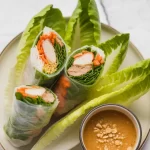
I always have Homemade Pad Thai Sauce in the fridge, a simple blend of soy sauce, fish sauce and tamarind with a small pantry twist that keeps Pad Thai within reach any night.

I keep a jar of this Homemade Pad Thai Sauce in my fridge most weeks. It began as a lazy experiment, stirring tamarind paste into a few pantry things and tossing in fish sauce for that salty backbone, and it turned into something I reach for when dinners need a kick.
It’s weirdly complex yet simple, and I never know exactly how it’ll change a dish till I taste it. I’m not great at sticking to rules so I tweak it every time, but if you want to know How To Make Pad Thai Sauce that actually surprises you, this one will make you try.
Ingredients

- Tamarind paste: Tart, fruity, gives sour balance; small fiber, mostly carbs, brightens the sauce.
- Fish sauce: Salty, umami, heavy on flavor; almost no carbs, tiny protein, low calories.
- Palm sugar: Gives caramel sweetness, mostly simple carbs; unrefined option, adds rounded sweetness.
- Soy sauce: Adds salty, savory depth; contains sodium, little protein, some carbs from fermentation.
- Rice vinegar or lime: Provides bright acidity, cuts sweetness; zero calories, adds tangy sour.
- Garlic: Small bulb, gives savory aroma and slight bite; contains antioxidants, tiny protein, fiber.
- Crushed red pepper flakes: Adds heat and color; negligible nutrients, may boost metabolism, use to taste.
Ingredient Quantities
- 3 tbsp tamarind paste (about 45 ml), or tamarind concentrate reconstituted with a little water
- 3 tbsp fish sauce
- 3 tbsp packed palm sugar or packed light brown sugar
- 2 tbsp low sodium soy sauce
- 1 tbsp rice vinegar or 1 tbsp fresh lime juice
- 1/4 cup warm water to thin, add more if it seems too thick
- 1 small garlic clove, minced (optional but I usually add it)
- 1/4 tsp crushed red pepper flakes or a pinch of Thai chili powder, to taste (optional)
How to Make this
1. Measure everything into a bowl: 3 tbsp tamarind paste (or reconstituted tamarind concentrate), 3 tbsp fish sauce, 3 tbsp packed palm sugar (or packed light brown sugar), 2 tbsp low sodium soy sauce, 1 tbsp rice vinegar or 1 tbsp fresh lime juice, 1 small minced garlic clove (optional), and 1/4 tsp crushed red pepper flakes or a pinch of Thai chili powder (optional).
2. Add 1/4 cup warm water and stir briskly until the sugar starts to dissolve and the mixture looks combined; if the tamarind is thick or has fibers, mash it with the back of a spoon first.
3. If the sugar or tamarind wont dissolve well in the bowl heat the mixture in a small saucepan over low heat for 1 to 3 minutes, stirring constantly until the sugar is fully dissolved and the sauce is glossy, do not boil.
4. Taste and adjust: add a little more palm sugar if it’s too sour, more fish sauce if it needs saltiness, or another splash of lime or vinegar if it needs brightness.
5. If your tamarind has bits or strings, strain the warm sauce through a fine mesh sieve into a jar to get a smooth, pourable sauce.
6. If the sauce seems too thick add warm water a teaspoon at a time until you reach a syrupy but pourable consistency.
7. Let the sauce cool to room temperature, then seal in a clean jar or bottle and refrigerate. It will keep well for up to 2 weeks.
8. When using, give the jar a good shake, taste once more and adjust if needed, then toss with hot cooked rice noodles and stir fry into Pad Thai, or use as a dipping glaze.
Equipment Needed
1. medium mixing bowl, for measuring and stirring
2. measuring spoons (tablespoon + teaspoon)
3. 1/4 cup liquid measuring cup or small measuring cup for the warm water
4. small whisk or a sturdy spoon for brisk stirring
5. small saucepan, if you need to gently heat the sauce
6. fine mesh sieve for straining out tamarind bits
7. small jar or bottle with a tight lid for storing the sauce
8. cutting board and a small knife, to mince the garlic
FAQ
Pad Thai Sauce Recipe Substitutions and Variations
- Tamarind paste: if you dont have tamarind, mix 1 tbsp fresh lime juice + 1 tsp packed brown sugar + 1 tbsp water for each 1 tbsp tamarind (so for the 3 tbsp in the recipe use 3 tbsp lime + 3 tsp brown sugar + 3 tbsp water). Not exact but gives the sweet-tart hit.
- Fish sauce: swap with 3 tbsp soy sauce + 1 tsp Worcestershire or 1/2 tsp anchovy paste for that salty-umami flavor; for a vegan option use 3 tbsp soy sauce or tamari + 1/4 tsp mushroom powder or a pinch of crushed nori.
- Palm sugar: use equal packed light brown sugar, or granulated sugar + molasses (for 1 tbsp palm sugar use 1 tbsp granulated sugar + a scant 1/8 tsp molasses).
- Low sodium soy sauce: use equal tamari for gluten free, or coconut aminos (same amount) if you want lower sodium and a slightly sweeter taste.
Pro Tips
1) Warm the sauce gently to help the palm sugar and tamarind dissolve, stir the whole time and dont let it boil, if your tamarind has strings mash it first then strain for a smooth finish.
2) Taste and tweak in tiny amounts, the sauce should balance sweet salty and sour, add a bit more sugar if its too sharp, a splash more fish sauce for salt, or another squeeze of lime for brightness.
3) If you want a softer garlic note fry the minced garlic briefly in a little oil before adding, but if you want a sharp punch add it raw right at the end, same with chilies adjust them last so you dont overpower everything.
4) Store chilled in a clean jar for up to two weeks, or freeze in ice cube trays for longer; when it firms up warm it briefly or stir in a teaspoon of warm water to loosen before using.
5) When using as a stir fry sauce reserve a little to finish the dish so the sugars dont burn while cooking, toss everything quickly on high heat so the sauce glazes the noodles or protein evenly.

Pad Thai Sauce Recipe
I always have Homemade Pad Thai Sauce in the fridge, a simple blend of soy sauce, fish sauce and tamarind with a small pantry twist that keeps Pad Thai within reach any night.
6
servings
57
kcal
Equipment: 1. medium mixing bowl, for measuring and stirring
2. measuring spoons (tablespoon + teaspoon)
3. 1/4 cup liquid measuring cup or small measuring cup for the warm water
4. small whisk or a sturdy spoon for brisk stirring
5. small saucepan, if you need to gently heat the sauce
6. fine mesh sieve for straining out tamarind bits
7. small jar or bottle with a tight lid for storing the sauce
8. cutting board and a small knife, to mince the garlic
Ingredients
-
3 tbsp tamarind paste (about 45 ml), or tamarind concentrate reconstituted with a little water
-
3 tbsp fish sauce
-
3 tbsp packed palm sugar or packed light brown sugar
-
2 tbsp low sodium soy sauce
-
1 tbsp rice vinegar or 1 tbsp fresh lime juice
-
1/4 cup warm water to thin, add more if it seems too thick
-
1 small garlic clove, minced (optional but I usually add it)
-
1/4 tsp crushed red pepper flakes or a pinch of Thai chili powder, to taste (optional)
Directions
- Measure everything into a bowl: 3 tbsp tamarind paste (or reconstituted tamarind concentrate), 3 tbsp fish sauce, 3 tbsp packed palm sugar (or packed light brown sugar), 2 tbsp low sodium soy sauce, 1 tbsp rice vinegar or 1 tbsp fresh lime juice, 1 small minced garlic clove (optional), and 1/4 tsp crushed red pepper flakes or a pinch of Thai chili powder (optional).
- Add 1/4 cup warm water and stir briskly until the sugar starts to dissolve and the mixture looks combined; if the tamarind is thick or has fibers, mash it with the back of a spoon first.
- If the sugar or tamarind wont dissolve well in the bowl heat the mixture in a small saucepan over low heat for 1 to 3 minutes, stirring constantly until the sugar is fully dissolved and the sauce is glossy, do not boil.
- Taste and adjust: add a little more palm sugar if it’s too sour, more fish sauce if it needs saltiness, or another splash of lime or vinegar if it needs brightness.
- If your tamarind has bits or strings, strain the warm sauce through a fine mesh sieve into a jar to get a smooth, pourable sauce.
- If the sauce seems too thick add warm water a teaspoon at a time until you reach a syrupy but pourable consistency.
- Let the sauce cool to room temperature, then seal in a clean jar or bottle and refrigerate. It will keep well for up to 2 weeks.
- When using, give the jar a good shake, taste once more and adjust if needed, then toss with hot cooked rice noodles and stir fry into Pad Thai, or use as a dipping glaze.
Notes
- Below you’ll find my best estimate of this recipe’s nutrition facts. Treat the numbers as a guide rather than a rule—great food should nourish both body and spirit. Figures are approximate, and the website owner assumes no liability for any inaccuracies in this recipe.
Nutrition Facts
- Serving Size: 41g
- Total number of serves: 6
- Calories: 57kcal
- Fat: 0.3g
- Saturated Fat: 0g
- Trans Fat: 0g
- Polyunsaturated: 0g
- Monounsaturated: 0g
- Cholesterol: 0mg
- Sodium: 785mg
- Potassium: 83mg
- Carbohydrates: 12.5g
- Fiber: 0.4g
- Sugar: 10g
- Protein: 0.7g
- Vitamin A: 0IU
- Vitamin C: 0.2mg
- Calcium: 8mg
- Iron: 0.3mg



![Thai Coconut Soup [Coconut Milk Soup] Recipe](https://bangkokbowl.com/wp-content/uploads/2025/06/Collage_Thai-Coconut-Soup-Coconut-Milk-Soup-_1751036922-150x150.webp)