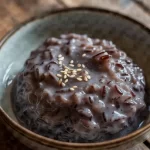
I reveal how a handful of pantry staples and a few clever swaps yield a low-carb Thai Curry Paste suitable for keto and paleo diets.

I never thought a jar of homemade Thai Curry Paste could change weeknight dinners, but it does. The smell of bruised lemongrass and peeled garlic cloves wakes me faster than coffee and somehow it makes everything I cook sing.
I keep it low carb and paleo friendly, still bold enough to feel like real street food. This Paste Recipe is messy and loud and addictive, and yeah I mess it up now and then, but that roughness is part of the fun.
Try it once and you’ll probably stop buying the bottled stuff.
Ingredients

- Dried red chilies: Bring heat and color, vitamins A and C, small fiber, low calories.
- Lemongrass: Citrusy, aromatic stalk adds brightness, contains antioxidants and small fiber.
- Galangal or ginger: Peppery, lemony root, anti inflammatory compounds, aids digestion, adds warmth.
- Kaffir lime leaves: Intense lime fragrance, gives sour brightness, negligible calories, rich aroma.
- Shallots: Sweet sharp onion, some fiber and vitamin C, gives savory sweetness.
- Shrimp paste: Umami ferment, adds deep salty dimension, small protein, very pungent.
- Cilantro roots or stems: Earthy herb stem, lots of fragrance, trace nutrients and fiber, brightens.
- Coriander and cumin seeds: Toasted seeds add warm nuttiness, small protein, aromatic oils boost flavor.
Ingredient Quantities
- 12 dried red chilies (stems removed, seeds optional) or 8 fresh Thai red chilies
- 4 medium shallots
- 6 garlic cloves
- 2 stalks lemongrass, white part only
- 1 inch galangal or fresh ginger
- 3 kaffir lime leaves or 1 tsp lime zest
- 2 tablespoons cilantro roots or chopped cilantro stems
- 1 tablespoon coriander seeds
- 1 teaspoon cumin seeds
- 1 teaspoon white peppercorns
- 1 teaspoon sea salt
- 1 tablespoon shrimp paste (use fermented fish paste for paleo/keto, optional if vegan)
- 1 to 2 tablespoons coconut oil or neutral oil for blending (optional)
How to Make this
1. If using dried chilies, remove stems and soak in hot water for 20 to 30 minutes until soft, drain and squeeze out excess water; if using fresh Thai chilies, remove stems and seeds if you want less heat.
2. Lightly toast the coriander seeds, cumin seeds and white peppercorns in a dry skillet over medium heat until fragrant, about 1 to 2 minutes, then grind them fine in a spice grinder or mortar.
3. Peel shallots and garlic, trim the white parts of the lemongrass and slice them thin, peel and slice the galangal or ginger; chop cilantro roots or stems roughly and shred kaffir lime leaves or measure lime zest.
4. If using shrimp paste or fermented fish paste, wrap it in foil and dry-roast briefly in the skillet for 30 to 60 seconds to tame the funk, then let cool.
5. Traditional method: pound toasted spices first in a mortar, then add chilies, galangal or ginger, lemongrass, shallots, garlic, cilantro roots/stems and lime leaves/zest, pounding until a smooth paste forms; modern shortcut: put everything in a food processor or high speed blender.
6. Add the roasted shrimp paste, sea salt and the ground toasted spices to the blender or mortar; pulse or pound until well combined, scraping down sides as needed so no chunks remain.
7. If needed for a smoother texture, add 1 to 2 tablespoons coconut oil or neutral oil sparingly while blending; don’t add too much, you want a thick paste not a sauce.
8. Taste and adjust salt and heat: more salt or a pinch more toasted white pepper can brighten it, more lime zest or kaffir will add freshness.
9. Store the paste in a clean jar, press a thin layer of oil on top to preserve, refrigerate up to 2 weeks or freeze in tablespoon portions for several months; when using, you can fry 1 to 2 tablespoons in hot oil for a minute or two to bloom the flavors before adding to your curry.
Equipment Needed
1. Cutting board and a sharp chefs knife
2. Dry skillet or frying pan for toasting spices and roasting shrimp paste
3. Mortar and pestle or a spice grinder to grind the toasted seeds
4. Food processor or high speed blender to make the paste faster
5. Small bowl and a fine mesh strainer for soaking and draining dried chilies
6. Measuring spoons and a teaspoon for the shrimp paste and salt
7. Rubber spatula or wooden spoon to scrape the blender and press the paste out
8. Clean jar with tight lid and a small spoon to press a thin layer of oil on top for storage
FAQ
How To Make Thai Curry Paste Recipe Substitutions and Variations
- 12 dried red chilies or 8 fresh Thai red chilies: Substitute with 6 dried chiles de arbol for similar smoky heat, or 6 serrano or 8 fresno chilies if you only have fresh ones, or 1 to 2 tsp cayenne / crushed red pepper in a pinch. Taste and adjust cause heat varies.
- 2 stalks lemongrass, white part only: Substitute with 1 tbsp fresh lemon zest plus 1 tsp lime juice, or 1 tbsp chopped lemon balm or lemon verbena if available. If using zest, bruise it before blending so the oils release.
- 1 inch galangal or fresh ginger: Substitute with 1 inch fresh ginger (same amount) plus a tiny pinch of lime zest to mimic galangal’s citrusy edge, or use 1/2 tsp dried galangal powder if you can find it. Ginger works fine but the flavor is slightly different.
- 1 tablespoon shrimp paste: Substitute with 1 tbsp miso (preferably brown/red) for vegan/umami depth, or 1 tsp fish sauce plus 1/2 tsp soy sauce for similar salty fermented flavor, or 1 tsp fermented seaweed/kelp powder for a seafood note without shellfish.
Pro Tips
1) Control the heat and color by seeding chilies and saving a little of the chili soak liquid, use just a teaspoon or two to deepen color if your blender needs help, but dont add too much or the paste gets runny.
2) Toast whole spices and the shrimp paste briefly, let them cool, then grind first — it wakes up the flavors and stops the paste tasting flat, just dont burn them or you’ll get bitter bits.
3) If you want that silky, traditional texture use a mortar and pestle, its slower but way nicer; if youre using a blender add only 1 tablespoon oil at a time, scrape down the sides often so everything gets evenly ground.
4) Always bloom the paste in hot oil for 30–90 seconds before adding other ingredients, this transforms raw sharpness into deep savory flavor, and remember a little extra lime zest or salt at the end will make it pop.

How To Make Thai Curry Paste Recipe
I reveal how a handful of pantry staples and a few clever swaps yield a low-carb Thai Curry Paste suitable for keto and paleo diets.
12
servings
36.4
kcal
Equipment: 1. Cutting board and a sharp chefs knife
2. Dry skillet or frying pan for toasting spices and roasting shrimp paste
3. Mortar and pestle or a spice grinder to grind the toasted seeds
4. Food processor or high speed blender to make the paste faster
5. Small bowl and a fine mesh strainer for soaking and draining dried chilies
6. Measuring spoons and a teaspoon for the shrimp paste and salt
7. Rubber spatula or wooden spoon to scrape the blender and press the paste out
8. Clean jar with tight lid and a small spoon to press a thin layer of oil on top for storage
Ingredients
-
12 dried red chilies (stems removed, seeds optional) or 8 fresh Thai red chilies
-
4 medium shallots
-
6 garlic cloves
-
2 stalks lemongrass, white part only
-
1 inch galangal or fresh ginger
-
3 kaffir lime leaves or 1 tsp lime zest
-
2 tablespoons cilantro roots or chopped cilantro stems
-
1 tablespoon coriander seeds
-
1 teaspoon cumin seeds
-
1 teaspoon white peppercorns
-
1 teaspoon sea salt
-
1 tablespoon shrimp paste (use fermented fish paste for paleo/keto, optional if vegan)
-
1 to 2 tablespoons coconut oil or neutral oil for blending (optional)
Directions
- If using dried chilies, remove stems and soak in hot water for 20 to 30 minutes until soft, drain and squeeze out excess water; if using fresh Thai chilies, remove stems and seeds if you want less heat.
- Lightly toast the coriander seeds, cumin seeds and white peppercorns in a dry skillet over medium heat until fragrant, about 1 to 2 minutes, then grind them fine in a spice grinder or mortar.
- Peel shallots and garlic, trim the white parts of the lemongrass and slice them thin, peel and slice the galangal or ginger; chop cilantro roots or stems roughly and shred kaffir lime leaves or measure lime zest.
- If using shrimp paste or fermented fish paste, wrap it in foil and dry-roast briefly in the skillet for 30 to 60 seconds to tame the funk, then let cool.
- Traditional method: pound toasted spices first in a mortar, then add chilies, galangal or ginger, lemongrass, shallots, garlic, cilantro roots/stems and lime leaves/zest, pounding until a smooth paste forms; modern shortcut: put everything in a food processor or high speed blender.
- Add the roasted shrimp paste, sea salt and the ground toasted spices to the blender or mortar; pulse or pound until well combined, scraping down sides as needed so no chunks remain.
- If needed for a smoother texture, add 1 to 2 tablespoons coconut oil or neutral oil sparingly while blending; don’t add too much, you want a thick paste not a sauce.
- Taste and adjust salt and heat: more salt or a pinch more toasted white pepper can brighten it, more lime zest or kaffir will add freshness.
- Store the paste in a clean jar, press a thin layer of oil on top to preserve, refrigerate up to 2 weeks or freeze in tablespoon portions for several months; when using, you can fry 1 to 2 tablespoons in hot oil for a minute or two to bloom the flavors before adding to your curry.
Notes
- Below you’ll find my best estimate of this recipe’s nutrition facts. Treat the numbers as a guide rather than a rule—great food should nourish both body and spirit. Figures are approximate, and the website owner assumes no liability for any inaccuracies in this recipe.
Nutrition Facts
- Serving Size: 25g
- Total number of serves: 12
- Calories: 36.4kcal
- Fat: 2.1g
- Saturated Fat: 1.45g
- Trans Fat: 0g
- Polyunsaturated: 0.13g
- Monounsaturated: 0.29g
- Cholesterol: 0.8mg
- Sodium: 217mg
- Potassium: 90mg
- Carbohydrates: 5g
- Fiber: 1.5g
- Sugar: 0.7g
- Protein: 0.9g
- Vitamin A: 667IU
- Vitamin C: 6.7mg
- Calcium: 17mg
- Iron: 0.5mg



![Thai Coconut Soup [Coconut Milk Soup] Recipe](https://bangkokbowl.com/wp-content/uploads/2025/06/Collage_Thai-Coconut-Soup-Coconut-Milk-Soup-_1751036922-150x150.webp)